

 +91-11-41255444
 info@holylandgroup.com
Blog
What Is Panko? Panko vs Regular Bread Crumbs
What Is Panko? Panko vs Regular Bread Crumbs
If you want a coating that stays crisp long after it leaves the fryer, you have probably heard of panko. When chefs ask me what is panko, I tell them it is the secret behind that light, airy crunch you get on a good chicken katsu or fish finger. Regular bread crumbs can look similar in the bag, but they behave very differently in the pan.
In this guide, I will explain what panko is, how it differs from regular bread crumbs, and how to choose between them for your menu.
What Is Panko Bread Crumbs?
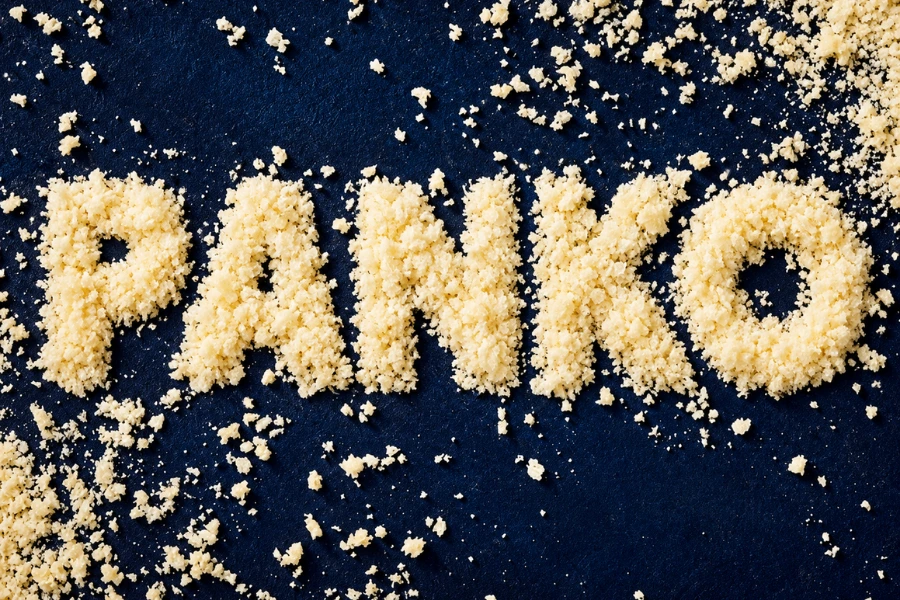
Panko is a Japanese-style bread crumb. The word comes from pan, meaning bread, and ko, meaning flour or powder. Instead of being finely ground, panko is made from white bread that is processed into large, flaky, jagged crumbs. Traditionally, the bread is made without a crust, which is why panko is pale and light in colour.
Those coarse flakes are the whole point. They create tiny air pockets in the coating, so the crumb looks fluffy and fries up with a crunchy, shattering texture.
Where Does Panko Come From?
Panko is closely tied to Japanese fried dishes such as tonkatsu, a breaded pork cutlet, and ebi fry, which is crumbed prawn. These dishes are valued for a coating that is crisp, light and not greasy. Over time, panko spread to kitchens around the world, and today you will find it in cutlets, fish fingers, croquettes and cheese sticks in many Indian restaurants too.
What Are Regular Bread Crumbs?
Regular bread crumbs, sometimes sold as American or Italian style, are made from dried bread that is ground into fine, dense crumbs. The bread often includes the crust, so the crumbs can be darker. They pack together tightly, which makes a thinner, tighter coating and helps them bind ingredients.
Panko vs Regular Bread Crumbs
Here is the comparison I find most useful in a kitchen.
- Texture: panko is light, flaky and airy. Regular crumbs are fine and dense.
- Crunch: panko stays crisp for longer. Regular crumbs give a softer, more even crust.
- Oil absorption: panko generally soaks up less oil, so the result feels lighter. Regular crumbs absorb more.
- Colour: panko turns a clean golden shade. Regular crumbs often brown faster and darker.
- Binding: regular crumbs are better for mixing into patties, meatballs and stuffings. Panko is mainly a coating.
- Appearance: panko gives a rugged, restaurant-style finish. Regular crumbs look smoother.
Neither one is better in every situation. The right choice depends on the dish.
Where Do We Use Panko?
Panko is the natural choice for any food where crunch is the star.
- Katsu and cutlets: chicken, fish, paneer and vegetable cutlets.
- Fried snacks: cheese sticks, croquettes, onion rings and fish fingers.
- Prawns and seafood: crumbed prawns with a light crispy shell.
- Baked dishes: a crunchy topping for macaroni and cheese, gratins and baked vegetables.
- Healthier cooking: baked or air-fried items that need extra crunch without much oil.
Regular bread crumbs work better as a binder in tikkis, kebabs, burgers and meatballs, and for fine, even coatings.
Types of Panko
Panko is sold in a few forms, so it helps to know what you are buying.
- Plain panko: the standard option, with a neutral flavour that suits almost any dish.
- Seasoned panko: mixed with herbs, spices or garlic, which saves time in the kitchen.
- Whole-wheat and other variants: these give a different colour and a slightly nuttier taste.
- Gluten-free panko: made without wheat for guests with dietary needs.
For a busy commercial kitchen, plain panko is the most flexible choice, because you can season your flour or batter to suit each dish.
How to Get a Crispy Panko Coating
A good result depends on method as much as ingredient.
- Set up three stations: seasoned flour, beaten egg or batter, and panko.
- Dry the food first. Pat it dry so the flour sticks.
- Press the panko on firmly so the coating holds together.
- Rest the crumbed pieces in the fridge for a short while. This helps the coating set.
- Fry at a steady, moderate-high temperature, commonly around 170 to 180 degrees Celsius, and avoid overcrowding the pan.
- Drain on a rack, not on paper, so the underside stays crisp.
Using Panko with Different Cooking Methods
- Deep frying: gives the classic golden crunch. Keep the oil clean and at a steady temperature.
- Shallow frying: works well for cutlets and fish fillets. Turn only once to keep the crust intact.
- Baking: toss the panko in a little oil, or toast it lightly first, so it browns evenly in the oven.
- Air frying: spray the coated pieces lightly with oil for a crisp finish with less fat.
Common Panko Mistakes
I see the same few problems in kitchens again and again.
- Wet food: moisture on the surface makes the coating slide off.
- Cold oil: low temperature leads to greasy, heavy crumbs.
- Crowded pan: pieces steam instead of fry and lose their crunch.
- Crumbing too early: if breaded items sit too long at room temperature, the crumbs go soggy.
- Open packs: panko left open absorbs moisture and loses its crispness.
What to Check Before Buying Panko in Bulk
- Flake size: large, even flakes give the best crunch.
- Colour: pale and even, not grey or patchy.
- Dryness: crisp and free flowing, never damp.
- Smell: clean and bread-like, with no stale note.
- Packaging: sealed and moisture resistant, in sizes that match your usage.
- Label: check ingredients, allergens, FSSAI details and best before date.
Moisture is the enemy of crunch, so store panko airtight in a cool, dry place and close the pack after every use.
Sourcing Coating and Baking Ingredients for Your Kitchen
Holyland Group supplies food service kitchens across India with baking and seasoning products, sauces and frozen foods. You can browse the Seasoning and Baking range and the Frozen Food range for ideas. For bread crumb or panko options, pack sizes and bulk supply, our team is happy to help through the enquiry page. Our recipes page has more inspiration.
Conclusion
Panko and regular bread crumbs are not rivals. Each has a job. When you want a light, airy, long-lasting crunch on cutlets, fish fingers or katsu, panko is the better pick. When you need to bind a patty or create a fine, even crust, regular crumbs are the right tool. Choose by dish, keep your crumbs dry, and your fried food will be crisper and more consistent.
FAQs
Is panko the same as bread crumbs?
No. Panko is a coarser, flakier Japanese-style crumb that gives a lighter, crunchier coating. Regular bread crumbs are finer and denser.
Is panko healthier than regular bread crumbs?
Panko generally absorbs less oil, so fried food can feel lighter. It is still a refined bread product, so it is not a health food.
Can I use regular bread crumbs instead of panko?
You can, but the coating will be denser and less crunchy. For binding patties or meatballs, regular crumbs are actually a better choice.
How do I keep panko crispy?
Keep it dry, press it on firmly, fry at the right temperature and drain on a rack. Store the pack airtight.
Featured Articles
North Indian
 Back