


 +91-11-41255444
 info@holylandgroup.com
Blog
What Is Kasundi? Uses of Bengali Mustard Sauce in Restaurants
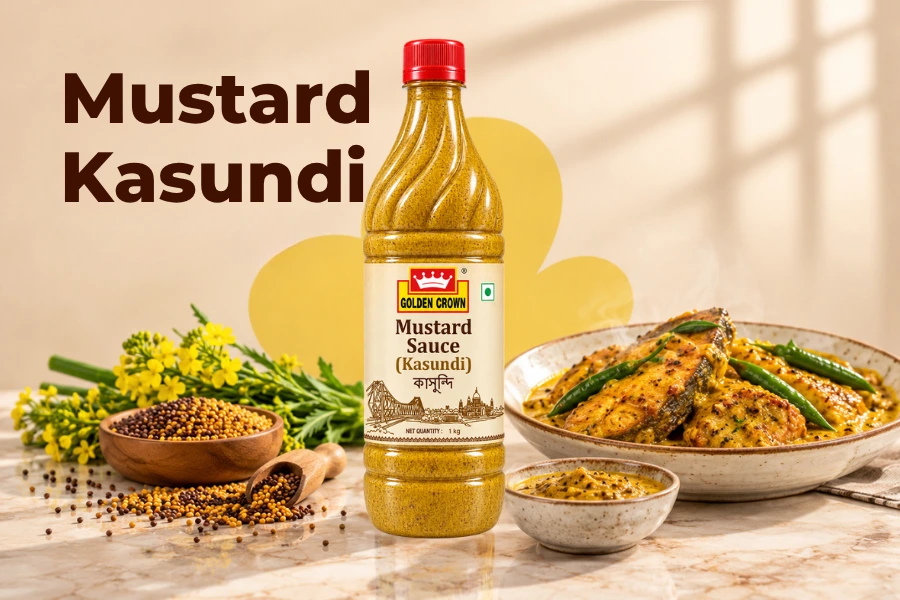
What Is Kasundi? Uses of Bengali Mustard Sauce in Restaurants
If you have ever eaten a crispy fish cutlet in Kolkata, you probably remember the sharp, tangy dip that came with it. That dip is kasundi, and when guests ask me what is kasundi, I describe it as Bengal's answer to mustard, only louder. It is pungent, a little sour and wonderfully spicy, and it can lift a plain snack into something people remember.
In this guide, I will explain what kasundi is, how it tastes, how it differs from other mustards, and how restaurants and cafes can use it on their menus.
What Is Kasundi?
Kasundi is a mustard sauce from Bengali cuisine, made from ground mustard seeds, salt and spices. Traditionally, it is allowed to mature for some time, which gives it a deep, sharp flavour. It is much stronger and tangier than the mustards most people know, and it is usually served as a dip or condiment rather than a cooking base.
The heat of kasundi is not like chilli heat. It is the clean, nose-tingling sharpness that comes from mustard itself. That is why a small spoonful goes a long way, and why people often balance it with something creamy or starchy.
Over time, the idea has travelled. You will now find mango kasundi, called aam kasundi, tomato kasundi and even aubergine kasundi on menus in India and abroad.
Where Kasundi Comes From
Kasundi began in Bengali homes. Families made it themselves, grinding mustard with salt and spices and letting it mature, and the whole process could take more than a week. Every household had its own recipe and its own idea of how sharp it should be. That home-made tradition is why kasundi is so closely tied to Bengali snacks, and why many people still look for a version that tastes like it did at home.
Types of Kasundi
You may come across a few popular versions, and each suits a different menu.
- Classic mustard kasundi: the sharp, savoury sauce described above. It is the most common one.
- Aam kasundi: made with raw mango and mustard, so it is tangy and a little sweet. It works well with grilled meats and fried snacks.
- Tomato kasundi: a thicker, chutney-like version with tomato and spices. It is popular in other countries and suits cheese boards and sandwiches.
- Aubergine kasundi: a spiced, jammy version that pairs well with roasted dishes.
How Does Kasundi Taste?
I describe the taste as sharp, salty, tangy and slightly warm. Some versions are smooth, while others are coarser, with visible seeds. The colour ranges from yellow-brown to a deeper mustard shade, depending on spices and the mustard used.
Kasundi pairs best with foods that are fried, grilled or rich, because the sharpness cuts through fat. Think crisp cutlets, kebabs, fish, eggs, potatoes and cheese.
Kasundi vs Other Mustards
It helps to know where kasundi sits among the mustards you may already stock.
- Kasundi: Bengali style, pungent, tangy and spiced. Best as a dip, spread or marinade.
- Yellow or American mustard: mild, vinegary and bright yellow. Common on burgers and hot dogs.
- Dijon mustard: smooth, tart and slightly wine-like, often used in dressings and sauces.
- English mustard: very hot and sharp, usually served with roast meats.
- Regular mustard sauce: a general term for milder, ready-to-use mustard condiments.
If your menu already has a standard mustard, kasundi gives you something with a clear Indian identity and more punch.
How Restaurants Use Kasundi
As a Dip
This is the classic use. Serve kasundi with fish fingers, chicken or paneer tikka, cutlets, kebabs, samosas, momos and French fries. A small ramekin on the side is enough.
As a Spread
In sandwiches, wraps, rolls and burgers, a thin layer of kasundi adds sharpness that mayonnaise alone cannot. It works especially well with grilled chicken, egg rolls and paneer.
As a Marinade
Mix kasundi with curd, a little oil and spices to marinate paneer, chicken or fish before grilling. The mustard flavour builds nicely when the mixture rests for a short while.
As a Fusion Ingredient
Blend a spoonful into mayonnaise for a kasundi mayo, stir it into salad dressings, or brush it over roasted vegetables. Cafes can also use it in cheese toasties and loaded fries to create a signature item.
Why Kasundi Works So Well for Restaurants
Kasundi has a few qualities that operators like. A small portion delivers a big flavour, so cost per serving stays low. It pairs with items most kitchens already fry or grill, which means you do not need new equipment or new skills. It carries a clear regional story, which helps menu writing and storytelling. And a little pot of golden dip on the side looks good on a plate and in photographs.
Kasundi is best with foods that are fried, grilled, cheesy or rich. It pairs naturally with fish, eggs, potatoes, paneer, chicken and cutlets. Delicate dishes, such as light soups or steamed vegetables, can be overwhelmed by its sharpness, so I would keep it away from those.
Menu Ideas with Kasundi
- Kasundi paneer tikka for vegetarian starters.
- Fish fingers with kasundi dip for a Bengali-style snack.
- Kasundi mayo chicken burger for casual dining.
- Kasundi potato wedges as a bar snack.
- Egg roll with kasundi for street-style counters.
Tips for Using Kasundi in a Commercial Kitchen
- Start small. Kasundi is strong, so add it gradually and taste as you go.
- Balance the heat. Mayonnaise, curd or cream softens the sharpness for guests who prefer milder food.
- Keep it cold once opened. Follow the storage instructions on the label.
- Standardise portions. A fixed spoon or squeeze size keeps flavour and cost consistent.
- Label the heat. A short note on the menu helps guests choose.
Sourcing Sauces for Your Kitchen
Holyland Group supplies food service kitchens across India with ketchups, sauces, seasonings and more. If you want a milder mustard note on your menu, you can explore the Ketchup and Sauce range, which includes a Mustard Sauce in a 200 g pack with a 24-month shelf life. For kasundi availability and bulk packs, please reach out through our enquiry page. You can also browse our recipes for more ideas.
Conclusion
Kasundi is proof that a small spoonful can carry a whole region's flavour. For restaurants and cafes, it offers a sharp, tangy dip, spread and marinade that fits easily into fried, grilled and fusion menus. Start with a small portion, balance the heat for your guests, and let the sauce do the talking.
FAQs
Is kasundi the same as mustard sauce?
Kasundi is a type of mustard sauce, but it is stronger, tangier and more heavily spiced than regular mustard sauces.
Is kasundi very spicy?
It is sharp and pungent rather than hot like chilli. The heat hits the nose more than the tongue.
Is kasundi vegetarian?
Kasundi is generally made from mustard, salt and spices, so it is usually vegetarian. Always check the label of the specific brand.
How should I store kasundi?
Follow the label. In general, keep it in a cool place before opening and refrigerate after opening.
Featured Articles
North Indian
 Back