

 +91-11-41255444
 info@holylandgroup.com
Blog
Thinner Margins, Sharper Operations: India's Food Sector Finds Its New Normal
Thinner Margins, Sharper Operations: India's Food Sector Finds Its New Normal
There's a quiet shift happening across boardrooms and warehouses in India. Faced with persistent input cost pressures, tightening consumer wallets, and an increasingly complex distribution, businesses across sectors are arriving at the same conclusion: grow smarter, not just bigger. The phrase "doing more with less" has moved from motivational poster territory into something closer to operational doctrine.
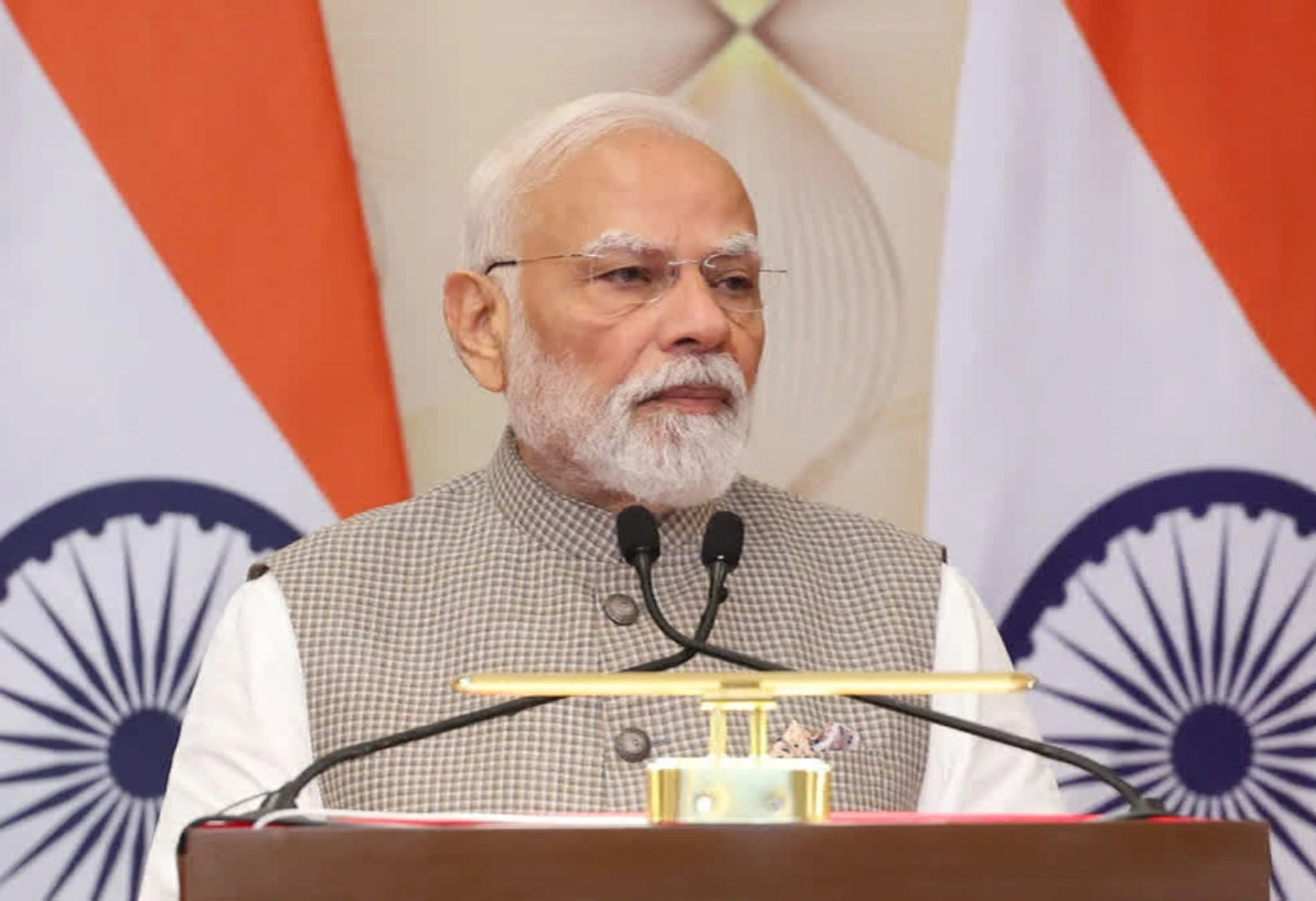
This mindset didn't emerge in a vacuum. Prime Minister Narendra Modi's emphasis on self-reliance, domestic manufacturing efficiency, and reducing economic dependence has set a broader national tone. Modi has reiterated that India cannot remain merely a consumer economy and must emerge as a producer of globally competitive goods. That philosophy translates directly into how food businesses think about margins and distribution. When the government advocates for a lean, self-sufficient system at a macro level, the industry starts taking notice.
The Margin Squeeze Is Real
For processed food manufacturers, the numbers have not been kind. Inflation pressure on most commodities continued to be high, hurting the margins of companies, with weak EBITDA growth expected in the FMCG sector. According to IndexBox, "Food and Grocery Retail Market in India" report input costs have climbed sharply where edible oil prices rose 12–18% due to global supply constraints, while wheat and rice prices increased 8–12% driven by erratic monsoons and government policies. This price rise trickles down the chain with distributors being asked to do more with thinner margins while expecting higher volumes in return.
One visible consequence of this squeeze is shrinkflation. As manufacturers continue to grapple with rising ingredient and packaging costs, shrinkflation has become a common tactic to preserve margins without visibly increasing prices. The 200ml juice pack quietly becomes 180ml. The family biscuit pack loses a few grams.
Portfolio rationalization is the other side of the same coin. FMCG Companies are discontinuing several of their sub brands. Keeping slow moving SKUs ties up working capital, occupies warehouse space, and raises transportation costs. The focus has mainly become high-velocity, high-margin products.
Distribution Is Being Rewired
The traditional distribution model of manufacturer to super-stockist to distributor to retailer, is losing ground to faster, leaner alternatives. Brands are reducing layers and supplying direct-to-retailer, partly to capture margin and partly because speed matters more than it ever did. For food distribution companies in India, particularly B2B food service distributors who built their business on being the essential middle layer, this structural shift is arriving faster than many anticipated
The India Quick Commerce Report 2026 states that q-commerce has been the most dramatic disruption. India's q-commerce sector reached a gross order value of around ₹64,000 crore in FY 2025, more than double compared with the previous year, and the segment now contributes nearly one-third of online FMCG purchases in certain urban households.
For traditional distributors, this is both a challenge and a signal. The companies winning on Q-commerce platforms, Blinkit, Zepto, Swiggy Instamart, are investing in technology-driven inventory visibility and AI-powered demand forecasting. Adopting digital tools for inventory management and order tracking is becoming imperative for efficiency and transparency. Distributors who remain paper-driven and reactive will find themselves increasingly squeezed out.
Looking Ahead
The "doing more with less" era will inevitably create friction. Distributors will feel squeezed. Manufacturers will need to walk a careful line between cost efficiency and consumer trust, particularly around shrinkflation. Restaurants will continue to rethink menus, portion reduction, and kitchen productivity.
In this environment, distributors are evolving beyond logistics providers. They are becoming procurement partners, helping customers consolidate purchases, access reliable inventory, and reduce operational complexity through a single source of supply.
Holyland Group is a clear example of this shift in practice. By combining online ordering with real-time inventory visibility, the company allows hotels, restaurants, and institutional buyers to plan purchases with far greater confidence than the traditional order-and-hope model allows. Its use of demand forecasting helps anticipate what customers will need before stock runs low, while route optimization keeps delivery timelines tight even as order volumes fluctuate. Underlying all of this is data-driven replenishment, restocking decisions based on actual consumption patterns rather than guesswork, which keeps inventory lean without compromising availability.
India's food ecosystem has long carried inefficiencies that were masked by growth. As growth slows and margins compress, those inefficiencies are no longer affordable. Businesses that embrace smarter distribution models, sharper inventory discipline, and technology-enabled supply chains won't just survive this cycle, they'll be better positioned for the one that follows.
For India's foodservice industry, the new normal is about building smarter operations. The businesses that succeed will be those that combine operational discipline with strong supplier partnerships and efficient inventory management. In a low margin environment, efficiency is no longer a competitive advantage, it is a business necessity.
Featured Articles
North Indian
 Back
Back