

 +91-11-41255444
 info@holylandgroup.com
Blog
Industry 4.0 in Food Processing: How Automation, IoT, and Sustainability Create Competitive Advantage
The modern food industry isn't just about what's on the plate. It's about how it gets there. India's food processing sector is facing immense pressure from fragmented supply chains, rising labor costs, and inconsistent quality. So, companies like Holyland Group are asking a more valid question: not whether to innovate, but which technologies to integrate first. From robots sorting ingredients in warehouses to QR codes tracking freshness on packaging. The competitive advantage today is with those organizations who are orchestrating these technologies into a cohesive ecosystem.
The Convergence: Why Now for Indian Food Companies
Five years ago, adopting robotics or IoT sensors felt like a luxury. Today? It's an operational necessity. India's food processing industry sits at an inflection point. Rising labor costs. Stringent FSSAI compliance requirements. Volatile supply chains that shift without warning. E-commerce and modern retail have created new expectations too. Buyers want traceability. They want freshness guarantees. They're demanding sustainability credentials before they place an order.
Holyland's investment in these technologies reflects this market reality. It's not trend-chasing. It's survival.
Automation & Robotics: Speed Meets Precision
Walking into a modernized food processing facility reveals something most outsiders miss. Automation doesn't replace expertise. It amplifies it. Robotic arms on Holyland's lines handle sorting, packaging, palletizing with near-perfect consistency. Meanwhile, skilled technicians focus on what machines can't do: quality control, innovation, troubleshooting edge cases. The real value? Reproducibility. When Golden Crown pasta shapes emerge identical from a robotic line, that's not showmanship. It's a guarantee that a distributor's 500th case matches the first. Every single time. That consistency is what transforms "local importer" into "verified partner."
IoT & Smart Packaging: Packaging Becomes Data
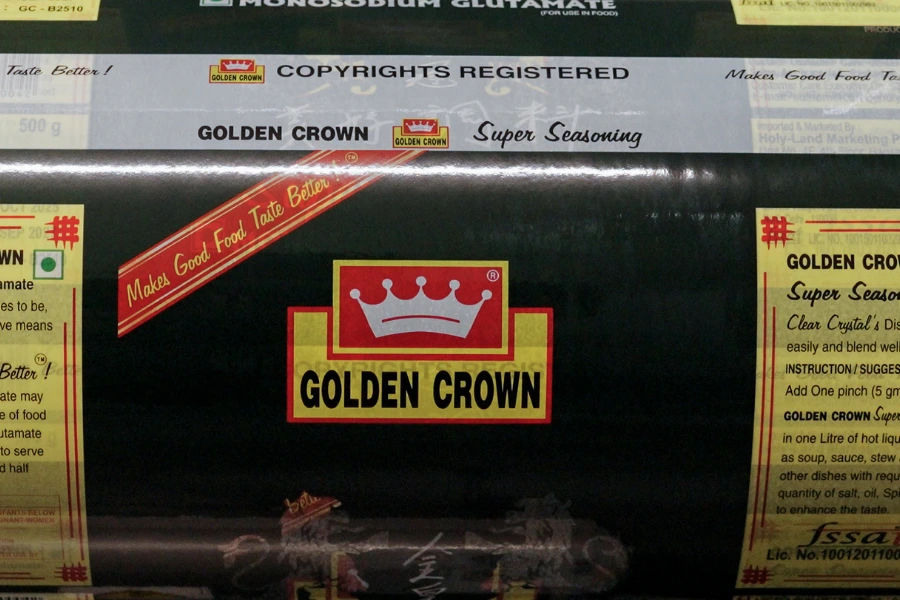
Here's the shift nobody talks about: packaging just got intelligent. Traditional packaging stays silent. Smart packaging tells stories. When a HoReCa buyer scans a box of imported gourmet ingredients from Holyland, they're not just seeing an expiry date. They see temperature logs from warehouse to delivery. Origin certification. Batch traceability. Supplier credentials. This isn't surveillance disguised as innovation. It's trust made visible. For products like Pearl River Bridge sauces or Golden Crown specialties, IoT-enabled labels do something extraordinary. They eliminate gray-market mixing. They prove authenticity. They justify premium positioning with conscious retailers and sustainability-focused restaurants.
Sustainability as Competitive Moat
Eco-friendly practices stopped being a CSR checkbox years ago. Today they're a pricing power. When Holyland adopts sustainable packaging (recyclable, compostable, or refillable systems) and energy-efficient automation, something interesting happens. Operational carbon footprint drops. But here's what matters more for the business: sustainability becomes a selling point. Modern retailers pay attention. Environmentally conscious HoReCa clients notice. A state-of-the-art packaging line using 15% less material per unit sounds modest. Scale it across millions of units annually? It redefines the unit economics of the entire supply chain. The best sustainability story isn't the greenest story. It's the one tied to business improvement.
The Integration Challenge: Systems Thinking
Having automation, IoT, and smart packaging in separate silos is like owning a hammer, screwdriver, and wrench but keeping them in different rooms. The real innovation happens when these technologies communicate. When Holyland integrates Manufacturing Execution Systems (MES), a temperature sensor detecting anomalies in the cold chain instantly alerts warehouse management. Which adjusts robotic sorting priorities. Which updates the product's smart label in real-time. This isn't futurism. It's systems thinking applied to operational excellence.
What This Means for Holyland's Customers
At the end of this technology stack sits a simple promise. Consistency. Safety. Accountability. For premium F&B distributors sourcing through Holyland, these innovations deliver three tangible benefits: predictable quality through automation ensures uniformity across batches. Verified authenticity via IoT traceability eliminates mixing and counterfeiting. Sustainable credentials align with corporate ESG mandates that matter increasingly to modern supply chains.
The Path Forward
Holyland Group's embrace of automation, IoT, and sustainable practices isn't about being trendy. It's infrastructure. Infrastructure that India's modern food industry doesn't just want anymore. It demands.
Featured Articles
North Indian
 Back
Back