

 +91-11-41255444
 info@holylandgroup.com
Blog
Food App Generation: Why Home-Cooked Meals Still Matter
Food App Generation: Why Home-Cooked Meals Still Matter
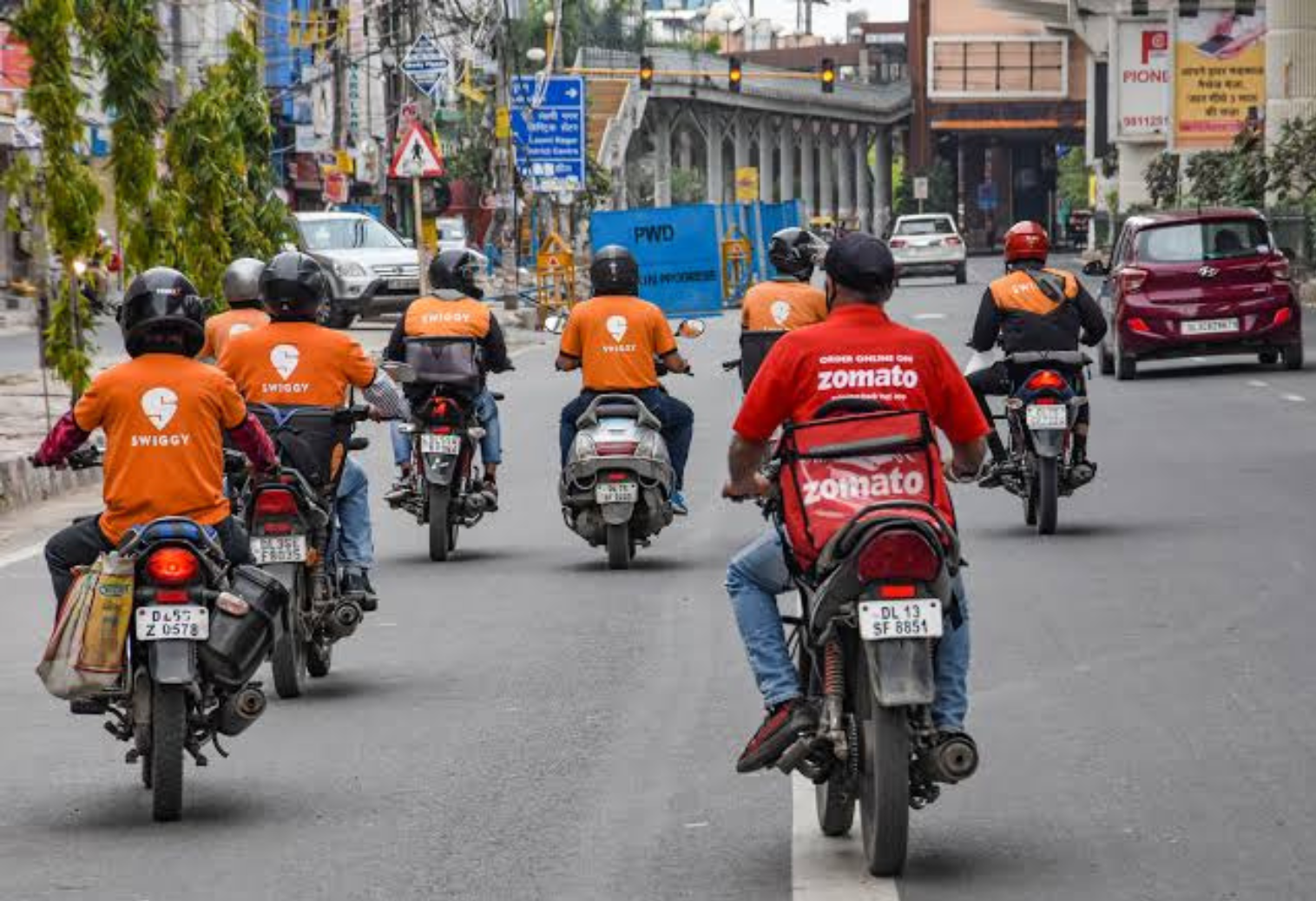
It's 7:30 PM on a Tuesday. The school bag is still by the door, your inbox has 23 unread emails, and the thought of chopping onions feels overwhelming. So you pick up your phone, tap a familiar app, and by the time you've changed out of your work clothes, dinner is twelve minutes away. Sound familiar? For most urban families today, it does.
The Convenience Revolution
Let's be honest, food delivery apps have been a quiet miracle for working parents. For dual-income households juggling school runs, office deadlines, and approximately zero mental energy by evening, ordering in isn't a failure of domesticity. It's a reasonable response to an unreasonable schedule. The parent who orders in on Monday through Thursday and cooks a proper meal on Sunday isn't doing it wrong. They're just surviving the week, like the rest of us.
Convenience, by itself, is not the problem.
What Gets Lost Along the Way
But here's what quietly disappears when the kitchen goes cold most nights.
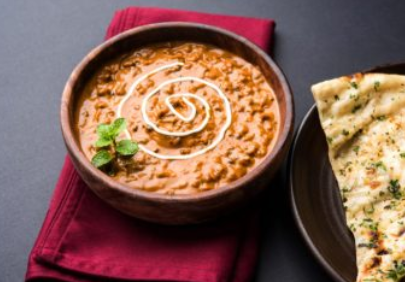
A nine-year-old in Bengaluru, when asked to describe dal, once told his mother it was "the yellow liquid that comes in the small container." He had eaten it hundreds of times. He had just never seen it made. That small moment stopped his mother, and restarted their Sunday cooking sessions. He can make tadka now, on his own, at ten,but with supervision.
When children don't see food being made, they lose more than a life skill. They lose the thread that connects them to where food actually comes from, to ingredients, to effort, to the quiet knowledge that a meal is something that takes time and care. Family food culture - regional, personal, irreplaceable, disappears not with a dramatic goodbye, but with enough Tuesday evenings of not bothering.
More Than Just Nutrition
There's something else a home-cooked meal carries that no delivery app has ever managed to package. The smell of mustard seeds hitting hot oil. The sound of a pressure cooker. The argument over who gets the crispy bits. These are sensory memories that stay with children for decades, long after they've forgotten what grade they were in.
Kitchens are also, quietly, where families actually talk. Not the scheduled, sit-down kind of conversation, but the accidental kind, the one that happens while someone's stirring something and another person wanders in. Meal prep creates that time almost without trying. And food, at its most honest, is simply how families say I thought about you today. I made this for you. Children feel that. Even teenagers who won't admit it feel that.
Finding the Balance
None of this means you need to cook from scratch every night. That path leads to burnout, not bonding. As Sanjeev Kapoor nicely put it in an interview with Times of India, it’s a difference in intention. i.e. of Pyaar and Vyapaar. Home cooked food is made with pyaar(love) and take-away food is made for vyapaar(business). It’s a balance we need to find between it.
Food delivery apps are here to stay, and there's no guilt needed in using them. But somewhere in the rhythm of the week, there should be a moment where the stove is on, a child is nearby, and something is being made, not ordered. That moment does more than feed a family. Over time, quietly and without fanfare, it shapes one.
Did you know?
Many cloud kitchens and food delivery platforms rely on large-scale agro-processing companies in India and premium institutional food suppliers like the Holyland Group, known for brands such as Golden Crown products to keep their kitchens stocked and consistent.
Featured Articles
North Indian
 Back
Back