

 +91-11-41255444
 info@holylandgroup.com
Blog
Feeding Independent India: How the Processed Food Industry Solved Hunger
Feeding Independent India: How the Processed Food Industry Solved Hunger
In 1947, when India gained independence, it faced an urgent crisis that no one knows today. India’s population was not just increasing, it was exploding. And the food production could not keep pace with it. Village storage systems were burdened by this pressure. There was not enough food, and the little that was available, got spoiled before it reached peoples table.
Now, after 75 years, we are not only able to feed ourselves but also are one of the largest food exporters globally. Walk into any commercial kitchen, and you'll find bottles of ketchup, packets of ready-to-cook pasta, or canned pineapple waiting to be used. These aren't luxuries anymore. It’s now part of how modern India eats.
The connection between these convenience foods and our independence story is something worth examining, especially as we celebrate the nation's progress.
India's Growing Population and the Need for Food Processing
India's population doubled between 1947 and 1980 and by 2000, it had nearly tripled. Many families that once produced food in their own fields moved to cities looking for work. Now these agricultural communities, transformed into urban centers. This is when food needed to travel much farther, stay fresh longer, and reach more mouths than traditional farming methods could handle.
The processed food industry in India, started as a practical solution to a challenge of survival. It became the bridge between India's agricultural abundance and the nation's expanding urban food supply. Without it, people living in the cities would have starved.
What Are Processed Foods? Understanding Their Real Role
There's a myth that processed foods are inherently unhealthy. The truth is simple. Any transformation of raw ingredients, whether it's ground spices, drying mangoes, or making pickles, is processed. Grandmothers have been doing this for generations. They made pickles that lasted through winter. They dried fish for monsoon months. They stored grains in sealed containers called marthabaans.
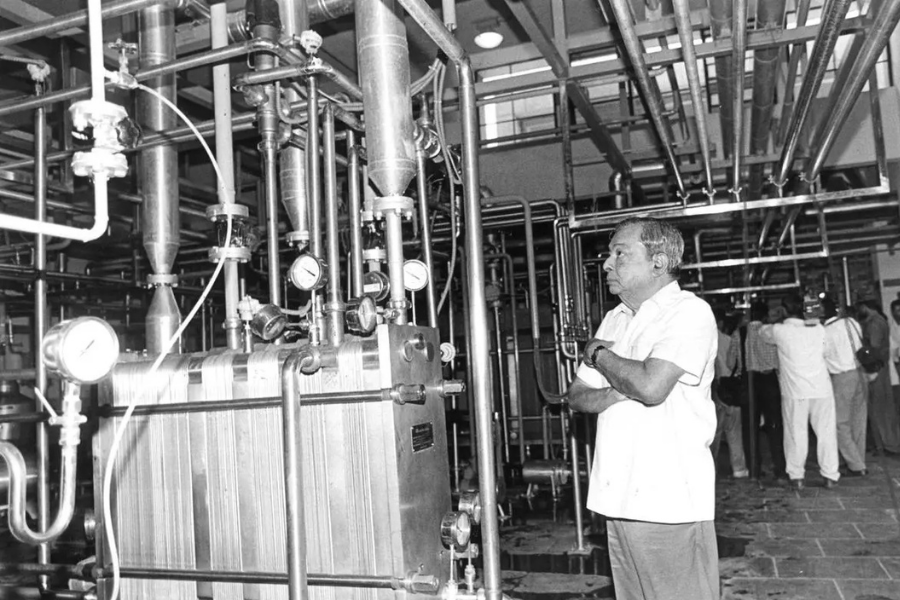
The only difference is the scale and technology. Factories could do what once took households hours in minutes. They could preserve seasonal produce for year-round consumption. With proper regulations, these factories could ensure consistent quality. This accessibility transformed how India ate.
How Food Processing Makes Seasonal Foods Available Year-Round
In India mango season barely lasts 3 months, yet most families want mango pulp for desserts, smoothies and traditional dishes throughout the year. Processing solves this fundamental need. Golden Crown Mango Pulp is made with mangoes preserved at peak ripeness and packaged and sent to kitchens from Delhi to Kerala for delicacies to be made all year round.
Similarly, sweet corn and mushrooms don't grow uniformly across seasons. Processed and canned forms of these vegetables, means a chef can prepare a dish containing them even during winter months. Golden Crown button mushrooms are one of the highest selling products due to the quality and consistency of the product.
This wasn't just convenient. It was a necessity. India's growing cities couldn't rely on seasonal diets anymore. Working parents needed quick options. Schools needed stable meal supplies. Restaurants required year-round ingredients. Processing made this possible.
Reducing Food Waste Through Food Preservation
In the 50s, food used to get lost to rotting. Large quantities of crops stored in fields, storage facilities and markets got spoilt and were in an unusable condition. Farmers harvested more than they could sell and without refrigeration or proper preservation techniques, surplus simply got wasted. The tragedy wasn't just economic. Families went hungry while crops died.
Food preservation through processing reclaimed this waste. Canned pineapple from excess harvest. Pasta made from wheat that might otherwise have been left unharvested. Seasonings preserved from herbs that grow wild in certain regions. These products captured value that would have been lost.
Over decades, this systemic reduction in waste translated into millions of meals. It meant fewer hungry children. It meant farmers could invest in better seeds and equipment because waste no longer wiped out their profits.
How Processed Foods Support India's Homes and HoReCa Industry
India's hospitality sector grew alongside processed food availability. Hotels, restaurants, caterers all depend on consistency. A restaurant that promised dal and rice for lunch needed reliable ingredients, measured portions, and predictable costs. Processed foods provided this standardization.
In homes, especially among working mothers, processed foods solved a different problem. Traditional cooking requires time and knowledge. Convenience foods like ready-to-use sauces, frozen snacks, and pre-cooked options made it possible for women to work outside the home without abandoning family meals.
This wasn't about replacing home cooking. It was about making it feasible for families where all adults worked. It was about reducing pressure on women specifically.
The Growth of India's Food Processing Industry
Today, India's processed food industry ranks among the world's largest by volume. From small-scale operations to global brands, the sector employs millions. It's not just ketchup and pasta. It's dried mangoes for export, frozen vegetables for schools, seasonings for industrial kitchens.
This growth happened because India identified a genuine problem and solved it. The industry didn't create false demand. It responded to real hunger.
Building a Stronger Food Future
As we look toward the next chapter of India's independence story, the role of food processing only expands. Climate change makes seasonal farming less predictable. Urban migration will continue. Our population isn't stabilizing anytime soon.
Processed foods won't replace traditional cooking and definitely not farming. Instead, they'll continue doing what they've done since 1947. They'll bridge gaps, they'll preserve abundance and they will make it possible for India to feed itself with dignity and be able to increase the country's GDP by exporting.
On Independence Day, we celebrate freedom but we also celebrate something quieter. The small and large innovations that let India feed its own people. That story includes the factory that cans pineapples, the farmer who grows corn for freezing, and the kitchen where dinner comes together because processed foods made it possible.
That's the real independence that matters. The independence of food procurement from seasonal change.
Featured Articles
North Indian
 Back
Back